
PT
|
EN
|
CN

Digital transformation in the Food & Beverage industry

The digital revolution is necessary for companies aiming to grow and stand out in the competitive food and beverage market.

New technologies are changing how food is produced, distributed, and consumed. From e-commerce to automation, digital innovations offer incredible opportunities to enhance efficiency, sustainability, and consumer experience.

According to a recent report, the global food and beverage automation market is projected to grow by 40% from 2024 to 2027, driven by the increasing adoption of automated solutions to boost productivity and reduce costs.

E-commerce and mobile apps

Rising consumer demand for convenience and personalization is driving the adoption of e-commerce platforms and mobile apps. Companies investing in these technologies can offer personalized online experiences, increase customer satisfaction, and expand their market reach.

This approach allows companies to collect and analyze valuable data on consumer habits, helping them adjust their offerings and strategies to better meet consumer needs.

Blockchain and IoT for greater transparency

Transparency and product traceability are priorities for modern consumers. Technologies like blockchain and IoT sensors are implemented throughout the supply chain to ensure product integrity and safety.

With these innovations, it is possible to monitor every step of the production and distribution process, increasing consumer trust and ensuring products meet the highest quality standards.

Automation and operational efficiency

Automation and robotics are revolutionizing operational efficiency in the food and beverage sector. These technologies help reduce costs, minimize waste, and optimize processes, resulting in smarter and more sustainable operations.Companies adopting automation solutions improve their efficiency and increase their innovation capacity, developing new products and processes that meet market demands.

Exploring Climate Challenges in the Food & Beverage Industry

Climate change poses significant obstacles to the global food & beverages industry.

Rising temperatures, shifting precipitation patterns, and extreme weather events threaten agricultural productivity and food security. Companies across the sector are innovating to ensure sustainable production in the face of these challenges.

Impact of climate change on food production

*usar ícones aqui*

  • The 10 hottest years already recorded since 2010 include 2016 the hottest, according to Climate.gov, directly affecting agricultural productivity and food security due to unpredictable weather patterns and high temperatures.
  • Changes in precipitation and extreme weather events can damage crops and livestock, leading to new pests and diseases.

To mitigate these impacts, companies are adopting strategies to reduce greenhouse gas emissions, promote sustainable agricultural practices, and strengthen their supply chains.

Innovations and sustainable practices

The industry is embracing advanced technologies and sustainable sourcing to minimize environmental footprints. For instance, precision agriculture utilizes sensors and data to optimize water and fertilizer use, reducing waste and enhancing productivity.

Technologies like IoT and AI revolutionize crop management, making it more efficient and adaptable to changing climatic conditions.

Integration of circular economy principles is also critical. Companies are redesigning processes to minimize waste and maximize resource recycling. For example, some are implementing closed-loop systems where by-products from food processing are repurposed as inputs for other industries or agricultural activities. Additionally, reverse logistics plays a crucial role in recovering materials post-consumption, ensuring efficient use of resources, and reducing environmental impact.

These practices reduce environmental impact and create new opportunities for economic growth through sustainable business models.

Consumer engagement for a sustainable food future

Educating consumers about sustainable choices is crucial for fostering a food system adaptable to climate change. Initiatives to empower consumers to support environmentally responsible products are gaining momentum, driving long-term food security.

Exploring consumer trends

Consumer behavior is evolving rapidly, driven by concerns about health, sustainability, and digitalization. Businesses looking to stand out must understand these changes and adapt their strategies to meet new demands.

Focus on health and well-being

Mintel’s research shows that health and well-being are growing priorities for consumers. For instance, 68% of UK and 74 % of Canadian consumers report eating healthily all or most of the time. This trend compels businesses to provide products and services that support a healthy lifestyle.

  • Natural and organic products are on the rise, reflecting consumers’ desire for healthier options.
  • Corporate wellness programs help promote a healthy work environment, attracting and retaining talent.

Environmental awareness and sustainable practices

Consumers are more aware of the environmental impact of their choices and demand sustainable practices from businesses. In a McKinsey survey, over 60 percent of US consumers said they’d pay more for products with sustainable packaging. Additionally, a NielsenIQ study found that 78 percent of US consumers value a sustainable lifestyle.

  • Recyclable and biodegradable packaging is increasingly valued.
  • Carbon reduction initiatives demonstrate a company’s commitment to sustainability.

Acceleration of digitalization

Rapid digitalization is transforming consumer behavior. According to the Centre for Economics and Business Research, UK consumers spend £22.8 billion annually shopping online while using public transport. Additionally, GlobalWebIndex reports that 54% of social media users use these platforms to research products.

  • Consumers increasingly rely on price comparisons, detailed research, and social media feedback before making purchases.
  • Companies are quickly adapting by leveraging consumer data to meet the growing demand for online shopping.
  • E-commerce is redefining convenience, allowing easy and quick access to products and services.
  • Technologies like AI and data analytics are personalizing consumer experiences, offering products and services aligned with their preferences.

Enhanced connectivity allows continuous engagement between consumers and brands, presenting new opportunities. However, it is crucial for businesses to effectively adapt to the constantly changing consumer needs.

Connection with local communities

Consumers value connection with their communities and seek businesses that foster these ties.

  • Partnerships with local businesses strengthen the community’s economy and create a sense of belonging.

Social responsibility projects demonstrate a company’s commitment to community well-being.

Unlocking global food trends

Consumer awareness of health, sustainability, and environmental impact is driving changes in the food and beverage industry. The clean label trend, focusing on transparency and natural ingredients, reflects this shift.

There is a global preference for natural and minimally processed foods. However, economic factors like the cost of living often limit consumers’ willingness to pay premiums for these options, challenging brands in the natural food sector.

Source: Mintel

Preference for healthy and nutritious products

Consumers are increasingly aware of the link between diet and well-being, seeking products that meet their nutritional needs and promote a healthier lifestyle.

They favor foods and beverages with natural ingredients known for health benefits, like antioxidants, vitamins, and minerals. This shift reflects a societal emphasis on preventive health and holistic wellness, driving demand for nutritious food options.

At Citrosuco, our commitment is to offer a 100% healthy product with traceability and supply chain control. We are dedicated to ensuring quality and transparency throughout our entire process, promoting quality of life, and generating value for the entire ecosystem.

Product customization

Customization has become a defining trend in the food industry. Today, consumers expect products that cater directly to their individual needs and preferences. This trend reflects a desire for personalized food experiences that align closely with their dietary requirements, taste preferences, and lifestyle choices.

Focus on sustainability

Environmental concerns are increasingly shaping purchasing decisions. Consumers prefer brands that adopt sustainable practices throughout the entire production chain, from sourcing raw materials to delivering the final product. According to a study, this preference for green practices is a crucial factor in modern consumer behavior.

Understanding and adapting to these trends is essential for companies that aim to offer solutions that are attractive and also resonate with consumers’ environmental consciousness.

At Citrosuco, we are committed to sustainability in every step of our production process. From responsibly sourcing our raw materials to minimizing our environmental footprint, our focus is on creating 100% natural products that meet your nutritional needs and align with a sustainable future

Source: Harvard Business Review

Building trust through traceability and transparency

In the evolving food and beverage industry, consumers are becoming more aware of where their food comes from and how it is produced. Environmental certifications and audits play a vital role in ensuring that products meet strict quality and sustainability standards.

As this awareness grows, so does the demand for clearer and more detailed information about the entire production process. Consumers are increasingly seeking transparency, from the origin of ingredients to the environmental impact of production.

Certifications as a guarantee of quality

Certifications such as ISO and organic labels are crucial for verifying that products adhere to safety and sustainability regulations. These certifications help build trust between companies and consumers, ensuring that food meets international standards.

Digital tools, such as advanced tracking systems, have made it easier to monitor every stage of production. This level of oversight ensures the integrity of products, providing greater security and reliability.

Consumer demand for transparency

With greater access to information, modern consumers are more informed and selective about their food choices. There is a rising demand for transparency, particularly regarding the sourcing of ingredients, farming methods, and environmental impact.

Technological innovations in traceability

Technologies like blockchain and IoT devices are playing an increasingly important role in modern traceability systems. These innovations provide real-time information at every step of the production process, ensuring that quality standards are upheld, and that any issues are quickly addressed.

At Citrosuco, we utilize some digital solutions to create a fully transparent and traceable supply chain, ensuring that our products meet the highest standards of quality, safety, and environmental responsibility.

For businesses, adopting tools that provide visibility throughout the supply chain is essential for gaining consumer trust and loyalty.

We develop our business based on integrity, nourishing diverse and influential throughout the value chain.

Click here and find out more.

The Power of Data Analytics in Decision-Making

In today’s fast-paced and information-driven world, data analytics has become a cornerstone for making informed decisions across industries. From predicting market trends to optimizing operations, the ability to analyze and interpret data effectively is critical to success and innovation. 

At Citrosuco, data analytics is more than a tool; it is a fundamental principle that guides everything we do. By embracing data analytics, we have not only navigated the global citrus industry but also influenced it. We are proud to set the standard for how data can drive sustainable growth and industry leadership.

Laying the Digital Foundation

Our journey to data-driven decision-making has been strategically implemented in two distinct phases, each marking a significant leap in how data is used to guide every aspect of Citrosuco’s operations, from field to market.

  • Investing in Data Infrastructure and Human Capital

The first phase of Citrosuco’s evolution was marked by significant investments in digital infrastructure, data systems, and human capital. This foundational step was critical in enabling the company to collect, analyze, and use data to make informed decisions about citrus farming.

  • Scaling Up with Advanced Analytics

Building on the robust infrastructure established earlier, our focus shifted to implementing scalable, data-driven solutions. This phase involved translating data into actionable insights that directly impacted growing practices and business strategies.

Data Analytics in Action

Practical Applications and Innovations

Fighting Greening through Advanced IPM Techniques

Citrosuco’s contribution to the effective management of greening in Brazil has been significant. Recognizing the importance of targeting the psyllid mosquito vector, not just the bacterial manifestation in fruit, marked a strategic shift in their approach. This approach included both chemical and biological tactics, most notably the breeding and deployment of over 10 million Tamarixia radiata wasps from their facilities. These wasps were instrumental in reducing the spread of the disease.

Individual Plant Health Monitoring: Precision Agriculture at Its Best

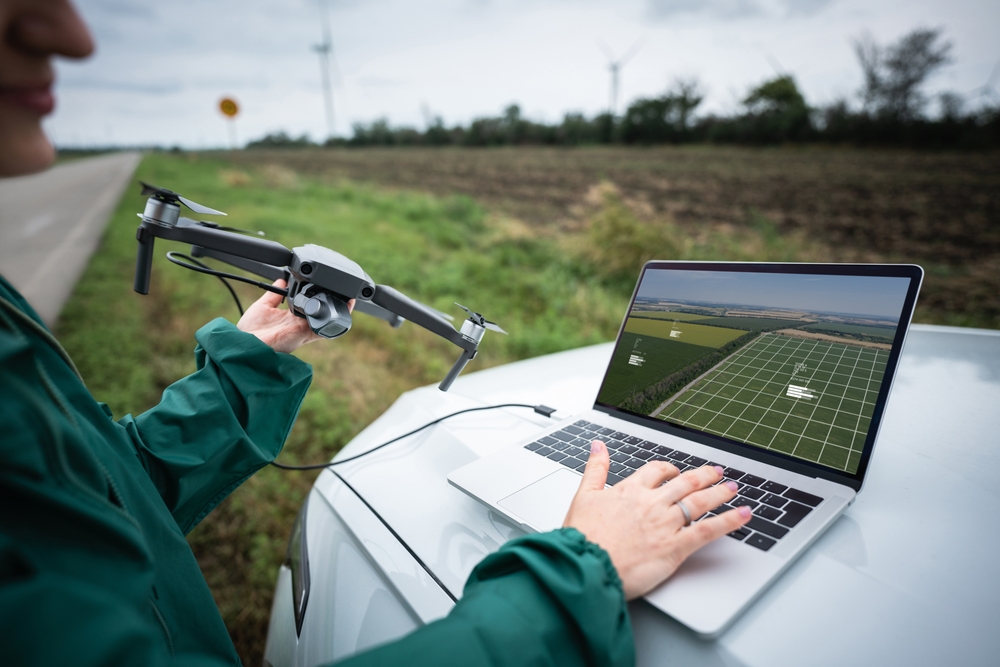
Using data analytics, Citrosuco has revolutionized the way individual plant health is monitored. By employing advanced software and artificial intelligence systems, we can precisely monitor and manage each plant to ensure optimal growing conditions and overall orchard health.

Optimal Harvest Timing: Harnessing Predictive Analytics

Through the use of predictive analytics, we have been able to determine the ideal harvest window, significantly improving both yield and quality. This approach has been instrumental in optimizing the harvesting process, ensuring that fruit is picked at its peak for juice production.

Using digital connectivity for sustainability

Citrosuco is a key player in agriculture, offering transformative solutions that promote collaboration and innovation. Citrosuco’s efforts to invest in cutting-edge technology to enhance its production processes, increase efficiency, and reduce environmental impact are evident.

Initiatives such as implementing digital solutions, researching and developing new technologies, as well as strategic partnerships, underscore the company’s commitment to driving innovation throughout the value chain.

Digital agriculture: a path to sustainability

We understand that digital agriculture is the key to making our operations more efficient. Through innovative connectivity solutions, we equip ourselves with the necessary tools and knowledge to deal with the future and challenges with confidence.

Leveraging connectivity to create a more sustainable tomorrow, we include:

  • Implementation of a digital monitoring system to optimize citrus farming practices.
  • Collaboration with tech companies to create precision agriculture tools for improved crop management.
  • Introduction of IoT devices to monitor water usage and enhance irrigation efficiency.
  • Adoption of blockchain technology to increase traceability and transparency in the supply chain.

Together, let’s pave the way for a more sustainable agricultural future.

Citrosuco’s purpose: building connections with Agro Connections

Our Agro Connection embodies Citrosuco’s overarching purpose: to catalyze positive change in the agricultural sector aligned with ESG principles.

Through engaging content and insightful discussions, we aim to foster connectivity, collaboration, and knowledge sharing among farmers, industry stakeholders, and technology partners, with a focus on sustainable environmental practices, social responsibility, and transparent governance.

  • 100% of our farms with SAI Platform gold certification, since 2016
  • More than 60% renewable energy in our matrix
  • More than 500,000 tons of CO2 captured in our orchards per year

Solutions for Agro Connections: cultivating collaborative excellence

Citrosuco goes beyond conventional boundaries, offering a suite of solutions designed to enhance collaboration and innovation within the agricultural ecosystem.

With products that monitor orchards and assist in managing resources such as water and nutrients, and our comprehensive range of Crop Solutions, we empower not only ourselves, but also suppliers, distributors, and the entire ecosystem with tools to optimize yields, promote sustainability, and foster community collaboration.

Harnessing Digital Connectivity for Sustainable Agriculture

At Citrosuco, we’re dedicated to revolutionizing agriculture through a commitment to sustainability and innovation. In our relentless pursuit of excellence, we’re excited to share our latest strides at the intersection of digital agriculture and sustainability.

Digital Agriculture

Digital connectivity is a cornerstone of our sustainability strategy. Through cutting-edge technologies, we are optimizing our operations to ensure efficiency while minimizing environmental impact. Here’s a glimpse of what we’re doing:

  • Implementing a digital monitoring system to optimize citrus farming practices.
  • Collaborating with tech companies to develop precision agriculture tools for enhanced crop management.
  • Introducing IoT devices to monitor water usage and improve irrigation efficiency.
  • Adopting blockchain technology to enhance traceability and transparency in our supply chain.

Building Relationships with Agro Connections

Our Agro Connections initiative embodies our core purpose: catalyzing positive change in agriculture aligned with ESG principles. Through engaging content, we’re fostering connectivity, collaboration, and knowledge sharing across the agricultural community. Here are some highlights:

  • 100% of owned farms have achieved SAI Platform gold certification since 2016.
  • Awarded Gold Medal for GHG Protocol Program compliance.
  • Invested in education, children’s rights, and environmental projects.

Check here!

Cultivating Collaborative Excellence

We believe in going beyond limits. Our suite of solutions is designed to empower collaboration and innovation across the agricultural ecosystem.

As we embark on this journey towards a more connected and sustainable agricultural future, we invite you to join us. Let’s leverage the power of technology to cultivate a brighter tomorrow for farmers, communities, and the planet.

Discover AI’s impact on the food industry

As we mentioned last week, artificial Intelligence (AI) is rapidly transforming the food industry, enhancing efficiency, quality, and customer satisfaction. In addition to optimizing inventory levels and ensuring the safety and quality of food, AI strengthens supply chains.

With an integrated approach and strategic assets like dedicated transportation fleets, efficient logistics networks can be built, seamlessly extending from the orchard to the final delivery destination.

Inventory management with AI

Precise demand prediction and optimal stock levels are essential for delivering fresh items. Top businesses are utilizing AI to improve inventory control, preventing both product shortages and excesses.

By analyzing vast amounts of data, AI systems can accurately forecast demand, ensuring that the right quantity of products is always available. This reduces waste and maximizes productivity and customer delight.

Moreover, AI-driven inventory management allows companies to respond swiftly to market changes, maintaining a consistent supply of high-quality products.

Efficient tracking and logistics

  • AI optimizes delivery routes for speed and efficiency.
  • Real-time tracking ensures accurate and timely deliveries.
  • Faster deliveries meet customer expectations.

Monitoring food quality and safety

The demand for increasingly safe and high-quality food is growing. AI solutions are employed by companies to monitor quality throughout the entire production process, identifying potential issues before they affect the end consumer.

Harnessing AI for cutting-edge product design

Artificial Intelligence is revolutionizing product development and innovation in the industry. Traditionally, creating new products is a time-consuming, expensive, and error-prone process. With AI, companies can conduct market research more efficiently, analyzing online data to better understand consumer preferences.

Additionally, AI accelerates product formulation by allowing digital simulations before physical testing, saving time and money. However, one challenge companies face is navigating fragmented global supply chains, which can impact the availability of ideal ingredients identified by AI.

Source: Forbes

Accelerating innovation with AI

Companies leverage AI to enhance product design by analyzing consumer trends, preferences, and market innovations. Advanced machine learning algorithms uncover hidden patterns and insights from data, guiding decisions that meet consumer needs more effectively.

AI also accelerates product development through digital simulations, saving time and resources while adapting designs to changing market conditions swiftly. Overall, AI streamlines product design, empowering companies to innovate efficiently and maintain competitiveness.

Anticipating consumer needs

  • Advanced data analytics and machine learning allow AI to offer in-depth insights into consumer preferences and behaviors, enhancing the understanding of market trends. 
  • By anticipating and swiftly responding to consumer needs, AI helps companies maintain a strong competitive edge in the marketplace. 
  • AI accelerates product development through digital simulations and predictive analytics, helping companies speed up iterations and launches while cutting down on time to market. 
  • By actively addressing evolving consumer expectations, AI fosters innovation and ensures that products stay ahead of market demands. 
  • AI helps companies stay ahead in the marketplace by anticipating and quickly responding to consumer needs, ensuring a robust competitive edge.

Improving product customization

AI supports the shaping of products, optimization of production processes, and tailoring of offerings to better align with individual customer preferences. By leveraging AI’s ability to analyze vast amounts of data, businesses can gain a more accurate understanding and anticipation of consumer needs.

These AI-driven refinements significantly enhance product development capabilities, enabling the delivery of customized solutions that meet and exceed consumer expectations.