The strengthness of our supply chain
The debate between the benefits of freshly squeezed orange juice versus store-bought has been a topic of discussion for years among health-conscious consumers. As a professional in the Food & Beverage industry, understanding the nutritional value and consumer preferences regarding products like orange juice is crucial.
A recent study published in the “International Journal of Food Sciences and Nutrition” compared freshly squeezed orange juice with store-bought orange juice from Spain, Germany, France, and the United Kingdom. The comprehensive analysis provides valuable insights into the key differences between these two types of juice.
Contrary to popular belief, this research found that both types of orange juice contain similar levels of polyphenols.
Polyphenols are natural compounds found in plants and fruits. They have antioxidant properties that neutralize free radicals and are associated with health benefits such as reducing inflammation and supporting heart health.
Freshly squeezed juice degrades quickly, resulting in a loss of its vitamin C levels. The squeezed one can reach the same nutritional value as store-bought orange juice within a week.
According to the European recommendations for daily vitamin C intake, men should consume 90 mg and women 80 mg. The store-bought orange juice meets 94% of this nutritional value!
This study found that the nutritional value of orange juice remains consistent, whether it’s freshly squeezed at home or purchased from a supermarket. Consumers can rely on packaged juice as a convenient solution that saves time and caters to their health and wellness requirements.
This study sheds more light on the existing concerns of people worldwide related to health. It is essential to clarify some common misconceptions about packaged orange juices.
At Citrosuco, we value innovation and sustainability while remaining committed to people’s health. We use every part of the orange to ensure that our products are 100% natural and packed with essential nutrients. Our approach is a reflection of our dedication to environmental responsibility and providing quality products to our customers.

In today’s marketplace, ESG factors are increasingly influencing consumer decision-making. Understanding the intricate relationship between ESG initiatives, sustainability practices, and consumer preferences is paramount for businesses aiming to thrive in this evolving landscape.
Recent trend has highlighted a significant shift in consumer behavior, with an emphasis on supporting businesses that prioritize ESG principles. A recent report produced by First Insight and the Baker Retailing Center at the Wharton School of the University of Pennsylvania indicate that a growing number of consumers are aligning their purchasing decisions with companies that demonstrate environmental stewardship, social responsibility, and ethical governance practices.
Moreover, sustainability has emerged as a key driver of consumer loyalty and brand perception. Companies that embrace sustainable practices not only appeal to eco-conscious consumers but also foster long-term relationships built on trust and transparency.
At Citrosuco, sustainability is our core commitment. We lead the industry with eco-friendly farming practices, community-focused initiatives, and ethical governance standards. From minimizing our environmental impact to empowering local communities, we’re dedicated to shaping a better, greener future.
Explore how Citrosuco is redefining citrus production with sustainability at its heart.
As consumer awareness continues to evolve, businesses must prioritize ESG integration and sustainability to remain relevant and resilient in the marketplace. By aligning with consumer values and demonstrating a commitment to responsible business practices, companies can foster positive societal impact while driving business success.
Today, as we celebrate World Consumer Rights Day, it’s a momentous occasion to acknowledge how consumer rights and awareness have been pivotal in transforming the food and beverage industry, with a focus on the health and wellness trends in the orange juice market.
Let’s delve into some of them.
Consumers are increasingly seeking products free from additives and preservatives. The organic juice market is expected to reach USD 60.2 Billion by 2030, according to MRFR. This demand is driving producers towards more natural and organic juice offerings, emphasizing the purity and authenticity of their products. This shift not only aligns with health-conscious trends but also reflects a broader societal move towards sustainability and environmental responsibility.
Source: Globe Newswire
With a growing awareness of the health risks associated with high sugar consumption, consumers are turning towards low-sugar or no-added-sugar juice options. This trend prompts orange juice manufacturers to innovate and reformulate their products, balancing taste with health benefits. The challenge lies in maintaining the natural sweetness and flavor profile of orange juice while reducing its sugar content.
In response to growing consumer concern for the planet, as highlighted by Innova Trends Research, the industry needs to increase its focus on environmental stewardship. This shift involves adopting practices like regenerative agriculture, responsible farming, and emphasizing forest protection and reduced water usage. This trend is reshaping consumer choices and setting new industry standards for environmental responsibility.
At Citrosuco, we believe that being environmentally responsible is crucial. That’s why our ESG commitments are an essential part of our operations. We have set ambitious targets for 2030, and one of them is to lead a sustainable value chain. We aim to achieve a 100% sustainable fruit supply. We’d like to invite you to watch the second episode of our web series, where you can learn more about our sustainable journey.

Your diet and lifestyle can have a big impact on how well your immune function responds to challenges. Key nutrients include vitamins A, C and D, as well as zinc, iron and folate. You can get two of these – vitamin C and folate – in a daily glass of orange juice! Remember that 100% fruit juice never contains added sugars.
As your gut provides a first line of defense against viruses and other pathogens, it’s important to eat lots of fiber-rich foods which feed your healthy gut bacteria. Learn more at: 5 tips for immunity support

Tetra Pak consumer survey asked thousands of current and lapsed users in seven markets around the world what they think of 100% juice, where and how they drink it (or why they’ve lapsed), and what they most want from new products. Much the same factors are cited as prime consumption drivers, but with slight differences: healthiness comes top (49%), followed by tastiness (43%) and naturalness (32%). Again, refreshment is a strong factor in the UK (42%), while richness in fiber is particularly appealing in China (32%). Learn more: Tetra Pak Juice Index report, facts, figures and trends

With the arrival of the baby, the mother’s routine changes completely, from interrupted nights of sleep to feeding during breastfeeding, which may need some care due to the child’s health. According to a study published in Revista Paulista de Pediatria, among the main reasons that lead mothers not to consume some foods during breastfeeding, according to the mother’s own reports and beliefs, are possible colic and gas production in babies and even diaper rash.
However, another study by Dankook University College of Medicine, in Seoul, Korea, reiterates that mothers who restrict at least one type of food during this period usually have no scientific justification for it and that, therefore, they need to be educated about practices by a nutritionist. Learn more at: Alimentação na amamentação: o que comer e o que evitar?

We know that orange juice is an important source of vitamin C, which strengthens the functioning of the immune system, improving the body’s defenses, which is why orange slush is a perfect recipe tip to make for and with children. Learn more: Receita de Raspadinha de Laranja

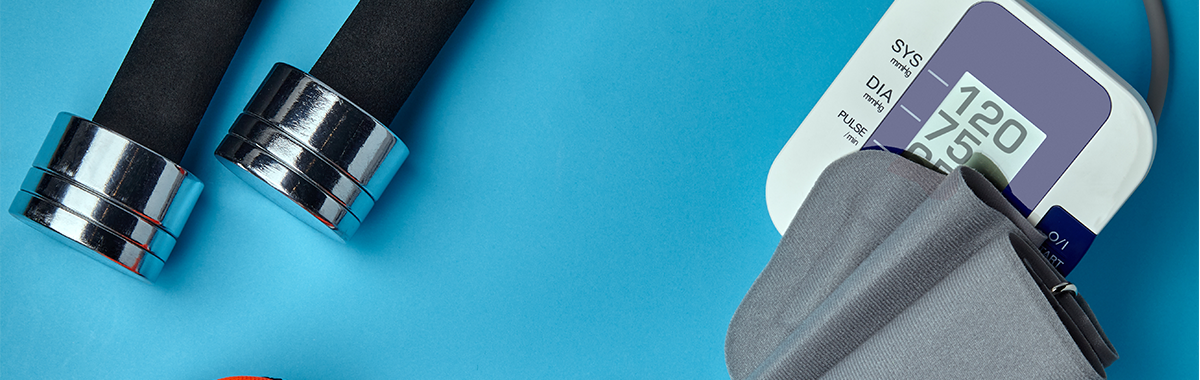
New research published in the European Journal of Nutrition finds that 100% orange juice reduces systolic blood pressure in adults with pre- or stage-1 hypertension.
More than 1.3 billion people worldwide suffer from hypertension, a leading factor in heart disease and mortality. A growing body of scientific research shows that 100% orange juice, and its vitamins and minerals, may play a beneficial role in helping to lower blood pressure and other risk factors for heart disease. Learn more: Heart Health Study Shows that 100% Orange Juice & Hesperidin May Help Lower Blood Pressure