PT
|
EN
|
CN

Is orange juice good for anemia?

Iron plays a vital role in energy production within our bodies. Iron helps transport oxygen from the lungs throughout the rest of the body. Iron is also a part of many enzymes in the body including those that provide antioxidant protection.

Ensure optimal iron intake by eating foods that are high in iron, such as animal proteins, lentils, potatoes, and green leafy vegetables. The iron from plant-based foods is not as well absorbed in the body as iron from animal proteins. When consuming iron-rich plants, it is beneficial to also consume foods with vitamin C or citric acid, such as 100% orange juice, which may help increase absorption of iron into your body. Learn more at: Increase Iron Absorption with 100% Orange Juice | Florida Orange Juice | Florida Orange Juice

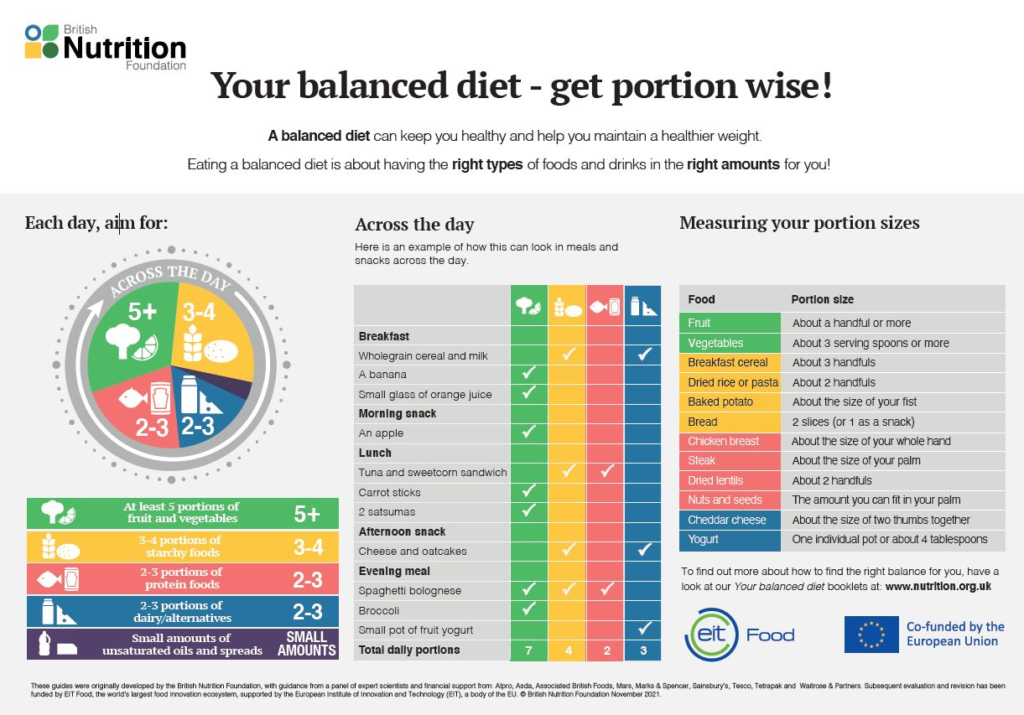
Drinking a daily glass of 100% orange juice is part of keeping a healthy, balanced diet – it contributes to the recommended five portions of fruit & vegetable intake per day

Gulfood 2021 was amazing! Find out more about our participation at the event

Gulfood 2021 just wrapped up and we couldn’t be more satisfied with the last three days!

Thanks to our partner FSL, we were able to showcase our company and talk about the major innovations in the sustainable development of agribusiness. We were also thrilled seeing that even during COVID times, the business in the Middle East and African region is reopening and gaining traction again.

Last but not least, we would like to say thank you to everyone that showed up at Citrosuco’s stand, as well as those who couldn’t attend, we appreciate your enthusiasm and support.

We look forward to seeing you again at the next Gulfood!

SJC surpasses 2020 target of 30% sustainable juice volumes

The joint efforts of the companies united in the Sustainable Juice Covenant (SJC) are bearing fruit: the latest progress report for the SJC 2030 program indicates that the juice volume sustainably sourced by the SJC members has reached 33% in 2020. 

The growth in sustainable volume means not only that the SJC has more than achieved its target for 2020, but also indicates that the members are right on track to deliver on their commitment of 100% sustainable juice by 2030.

Read more: https://www.idhsustainabletrade.com/news/sjc-surpasses-2020-target-of-30-sustainable-juice-volumes/?mc_cid=482f42c201&mc_eid=d80d6d1a92

Study: why does orange flavonoide reverse obesity?

A molecule found in sweet oranges and tangerines could help to reverse obesity and reduce the risk of heart disease and diabetes, a new study in mice has reaffirmed, but their theory behind the mechanism of the effects has been ruled out.

Learn more: https://www.nutraingredients.com/Article/2020/03/04/Study-Why-does-orange-flavonoid-reverse-obesity

Fruit juice nutrients for later life

The focus on healthier ageing now means that more people are interested in eating the right type of diet.

Learn more: https://fruitjuicesciencecentre.eu/en/diet-and-nutrition/fruit-juice-nutrients-for-later-life

Three facts about packaged orange juice

Oranges are an important source of nutrients and plant compounds in the diet. This is irrespective of whether they are eaten as whole fruit or drunk as juice.

Many people have misconceptions about the nutritional value of fruit juices and the impact of processing on the nutrient content. Here we look at three facts about packaged orange juices and the nutrition they provide.

FACT 1: Orange juice is pure

It is legally prohibited to add sugars and additives which is why 100% orange juice doesn’t contain any preservatives, colourings, flavourings, sweeteners or other compounds that are not naturally present in whole oranges.

FACT 2: Orange juice contains essential nutrients

A typical glass (150 ml) of 100% orange juice provides, on average, 68 mg of Vitamin C. This is more than 80% of a typical person’s daily needs. 

Vitamin C is necessary for the normal functioning of our immune system and contributes to the protection of our cells from oxidative stress (substances which perform this function are called antioxidants). Vitamin C also contributes to reducing tiredness and fatigue!

In addition, the same serving provides 16% of the recommended intake for folate, a nutrient that contributes to normal immune function and psychological function, and 13% of the recommended intake for potassium, a mineral that supports the maintenance of normal blood pressure and normal muscle function.

Like many other fruits, oranges also contain plant compounds, called polyphenols. The specific types found in oranges and their juices are hesperidin, naringin and narirutin.

FACT 3: Packaged orange juice maintains its nutritional benefits

Whether you drink orange juice squeezed at home or buy it from the store, it will contain similar amounts of vitamins, minerals and plant bioactives. Even processed orange juice counts as a minimally processed food as it’s simply put through a brief pasteurisation or high pressure process to remove any microorganisms that might spoil the product. 

Many people wrongly believe that the vitamins in fruit juice are destroyed by pasteurisation or storage. This is untrue. The biggest issue for vitamin C is oxygen which is why fruit juice producers apply measures to carefully limit oxygen exposure while the fruit is being squeezed to minimise the loss of vitamin C before the juice is bottled.


Learn more https://aijn.eu/en/publications/key-eu-legislation/the-eu-fruit-juice-directive

Should children avoid fruit juice?

Experts agree that children can benefit from eating more fruit and vegetables as they provide vitamins, minerals and fibre. They’re also a healthier alternative to sweet or savoury snacks. While fruit juice was valued in the past for its vitamin C content, the spotlight on sugar has made many parents feel unsure about whether to give it to their children. Here, we look at the facts.

Nutrients for the body

100% fruit juice, such as orange juice, contains a wide range of vitamins and minerals such as vitamin C, folate and potassium.

  • Vitamin C contributes to normal immune function, increases iron absorption and supports collagen formation which is important for normal bones, skin and teeth;
  • Folate contributes to normal immune function and blood formation;
  • Potassium contributes to normal muscle function and to the maintenance of normal blood pressure.


Learn more https://fruitjuicesciencecentre.eu/en/diet-and-nutrition/should-children-avoid-fruit-juice

Inflammation prevention

Prevention of cardiovascular diseases