
PT
|
EN
|
CN

Juice Market Growth: New Opportunities in Emerging Premium Regions

Global juice markets are shifting toward premium, minimally processed juices. Emerging regions in Asia and the Middle East show growing consumer interest in natural, additive-free, and fresh-tasting options. 

Brazilian NFC juices stand out for authenticity, flavor, and nutritional value, offering producers opportunities for differentiation while navigating regulatory and market-entry challenges. 

Premium demand drives growth

Consumer preference for fresh, high-quality juices is increasing globally. Markets in Asia and the Middle East are particularly receptive to products with authentic origin, functional benefits, and premium processing methods such as cold-press or aseptic filling. 

Producers leveraging Brazilian NFC juices can position themselves as premium suppliers, adapting to local tastes, complying with import regulations, and ensuring consistent supply. 

Strategic entry builds success

Understanding regional regulations, certifications, and distribution dynamics is essential. In markets like the Middle East, halal certification and clean-label communication play a key role in consumer trust. 

At Citrosuco, our expertise in high-quality NFC production, combined with strategic insights, ensures market access, strengthens brand reputation, and supports sustainable growth. 

Premium juice demand creates new business opportunities in emerging regions. 

At Citrosuco, we combine quality, consistency, and market expertise to meet global demand and foster long-term partnerships. 

World Vegan Day: Plant-Based Trends Shaping the Beverage Industry

World Vegan Day highlights the rapid evolution of plant-based consumption worldwide. Consumers increasingly seek beverages that align with health, sustainability, and ethical values. 

Natural juices gain relevance as they combine clean-label formulas, reduced environmental impact, and nutrition rooted in nature. 

Plant-based growth and market opportunities

The expansion of vegan lifestyles reflects stronger demand for transparency, wellness, and climate-friendly products. In January 2025, around 25.8 million people worldwide tried veganism, reflecting growing demand for plant-based choices. 

100% natural juice offers a pure, plant-based option that meets these expectations while supporting responsible sourcing and cleaner production. 

Partnerships that shape the future

At Citrosuco, our commitment to innovation in health-conscious products drives our role in the global beverage industry. 

We proudly participated in Gulfood Dubai 2025, connecting with partners who share a vision of conscious consumption and sustainable growth. Thank you to everyone who visited us. 

World Vegan Day reinforces the powerful role of plant-based beverages as a catalyst for health and positive impact. 

Citrosuco remains committed to delivering natural products that nourish people and protect the planet. 

Food Security & Nutrition: How Orange Juice Supports Global Diets

How can a simple glass of orange juice contribute to global food security? Beyond its nutritional value, orange juice plays a key role in global food security by symbolizing a transparent and sustainable food chain, built on traceability and consumer trust. 

From the orchard to the glass, traceability ensures confidence in the origin and quality of every drop, reinforcing the trust that sustains global food systems. 

Nutrition that connects continents

Orange juice supports balanced diets worldwide. Its natural composition contributes to hydration, immune support and energy, while also being part of school meal programs and daily routines across cultures. 

Through responsible production and consistent quality standards, Brazil strengthens its position as a leading supplier for premium markets, ensuring stable access to nutritious products all year round. 

Brazil’s Role in Global Nutrition 

Brazil plays a key role in supplying high-quality orange juice to global markets. Its favorable climate, biodiversity, and responsible farming ensure consistency and reliability throughout the year.  

At its Matão facility in São Paulo, Citrosuco operates the largest orange juice plant in the world. With its own fleet and terminals across Brazil, the United States, Belgium, Japan, and Australia, the company guarantees full traceability and efficient transport from origin to destination.  

Every part of the fruit is used, including juice, peel, seeds, and pulp. This sustainable cycle links production efficiency with global nutrition and food security. 

World Food Day: shared responsibility

Celebrating World Food Day reminds us that feeding the planet requires collaboration and innovation. By uniting technology, sustainability, and nutrition, we continue to contribute to a future where access to healthy food is universal and responsible. 

Gulfood Manufacturing 2025: Nourishing Life, Living Legacies 

From November 4 to 6, Citrosuco will be at Gulfood Manufacturing 2025 in Dubai, one of the world’s leading food and beverage events. Representing Brazil’s natural juice excellence, we’ll share how sustainable practices and innovation come together to nourish life and build living legacies across global markets. 

Food security and nutrition go hand in hand. With transparency and consistency, Citrosuco strengthens global trust in orange juice from nature to nourishment. 

AI Forecasting: Predicting Citrus Yields with Confidence

Global citrus markets increasingly rely on accurate yield predictions. Buyers and producers seek solutions that enhance forecasting, minimize risk, and optimize planning. 

By leveraging AI and big data, citrus suppliers improve supply predictability, support climate adaptation, and strengthen commercial decision-making. 

AI-driven forecasting: a competitive advantage

Advanced analytics and machine learning enable precise yield predictions, reducing uncertainty and enhancing confidence with international buyers. 

These technologies also help optimize harvesting schedules, improve resource allocation, and anticipate market fluctuations, creating a more resilient and efficient supply chain. 

Purpose drives precision

Leading producers and buyers increasingly prioritize data-driven insights. At Citrosuco, our commitment to AI forecasting, big data, and predictive analytics ensures supply reliability, strengthens market positioning, and supports sustainable practices. 

AI-powered forecasting transforms citrus supply into a strategic advantage. 

At Citrosuco, we leverage technology to anticipate yields, enhance predictability, and support trusted partnerships. 

Biodiversity & Juice: How Nature Strengthens Our Supply Chain

Healthy ecosystems are essential for producing consistent, high-quality juice. Biodiversity plays an active role in strengthening the entire supply chain and preserving the vitality of citrus regions. 

Preserving native vegetation, caring for pollinators, and managing natural resources responsibly keep the soil fertile and the fruit rich in flavor, connecting agricultural balance with product excellence. 

How biodiversity enhances juice quality

A rich and diverse ecosystem directly influences fruit growth. Biodiversity supports pollination, promotes natural protection, and enriches the soil, resulting in oranges with exceptional taste and quality. 

Agricultural practices focused on maintaining this balance are applied at every stage of production, from orchard management to juice processing, ensuring natural strength and reliability. 

Sustainability from field to transport

The same care extended to the fields continues throughout our logistics chain. Efficient routes, intelligent storage, and the preservation of green corridors strengthen our commitment to environmental responsibility. 

These actions reflect Citrosuco’s vision of connecting sustainability, quality, and operational excellence across every step of the journey. 

Citrosuco at Anuga 

We were pleased to join Anuga, one of the leading global food and beverage trade fairs. The event fostered valuable exchanges with partners and highlighted our shared commitment to quality, sustainability, and innovation. 

Biodiversity and innovation continue to guide the evolution of the juice industry. We appreciate our partners and collaborators who share this commitment to natural, transparent, and sustainable production. 


Sustainable Juice: Driving Trust and Global Value

Global juice markets demand sustainable practices. Buyers increasingly select suppliers who prioritize traceability, emission reduction, and regenerative agriculture. 

By integrating these practices, juice producers reduce environmental impact and also strengthen trust, enhance brand reputation, and ensure continuity of supply, which are key factors for global competitiveness.

Sustainable juice: a competitive advantage

Full traceability across the supply chain, reduced emissions, and minimized environmental footprint enhance credibility with international buyers. Sustainable practices also ensure long-term supply continuity and promote regenerative farming and soil health. 

Purpose drives perception

Leading buyers worldwide increasingly select suppliers based on sustainability practices. At Citrosuco, our commitment to traceability, regenerative agriculture, and carbon reduction reinforces trust, builds reputation, and guarantees consistent, high-quality juice. 
Sustainable practices turn juice into a competitive edge. At Citrosuco, we lead with purpose, ensuring supply chain resilience, environmental responsibility, and trusted partnerships. 

Water Stewardship: Precision Irrigation in the Spotlight

Sustainable water management is driving change in agriculture worldwide. Farmers adopt solutions that optimize water use, reduce environmental impact, and maintain crop productivity under shifting climate conditions. 

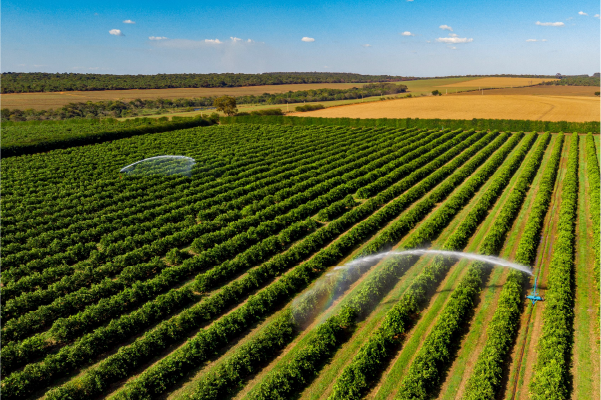
Precision irrigation technologies, such as drip systems and reservoir management, support these goals by targeting  water efficiently and monitoring usage, ensuring steady yields while conserving resources. 

Precision irrigation: the smart choice

Precision irrigation optimizes water use, minimizes waste, and reduces environmental impact. Real-time monitoring ensures efficient water management and stable crop productivity, even during droughts. 

Supporting long-term soil health and sustainable agriculture, these systems integrate digital tools and renewable energy. The global precision irrigation market is projected to grow to USD 6.29 billion by 2029, reflecting rapid adoption of these technologies. 

Purpose beyond technology

Today’s consumers and stakeholders value agricultural practices that promote sustainability, resilience, and responsible resource management. 

At Citrosuco, our Irrigation Program focuses on water-use efficiency and boosting agricultural productivity. By combining data-driven insights with precision techniques from reservoir management to drip irrigation, we reduce water consumption while ensuring high-quality, consistent harvests.

Precision irrigation is improving water stewardship in agriculture. At Citrosuco, we implement practices that deliver sustainability, productivity, and responsible resource management. 

Sustainability Trends in Food and Beverage Industry

The food and beverage industry is embracing more conscious resource usage and sustainable agricultural practices to meet the increasing consumer demand for eco-friendly productsIn the orange juice supply chain, conscious resource use, responsible sourcing, and agricultural innovations are shaping production and delivery. 

By focusing on responsible sourcing, minimizing waste, and adopting eco-friendly practices, the industry is paving the way for long-term sustainability.

Sustainable sourcing for a greener future 

Sourcing raw materials responsibly ensures that the resources we rely on are preserved for future generations. Sustainable practices include reducing water usage, conserving energy, and promoting fair labor practices within the supply chain.

Agricultural innovations for a sustainable tomorrow

🌱 Sustainable agriculture practices are revolutionizing food production. 

🐝 Reducing chemical inputs to protect ecosystems and enhance biodiversity. 

🌾 Implementing regenerative farming techniques to restore soil health. 

🌍 Increasing biodiversity through diversified farming systems. 

💧 Reducing environmental impact by minimizing resource use and waste. 

The food and beverage industry is on a path to becoming more sustainable. By adopting these practices, companies can meet consumer expectations and contribute to a healthier planet. 

Predictive models for smarter agriculture

Predictive models help guide more assertive decisions in crop protection. By using field data and environmental variables, these tools guide input use with greater precision avoiding excess and improving operational performance. 

They are part of a broader shift toward more data-informed, efficient agriculture. 

Data-driven decisions in crop protection

Predictive models process climate data, soil conditions and crop growth patterns to determine the exact moment and quantity of crop products needed. This reduces unnecessary applications, increases cost-efficiency and minimizes risks to the ecosystem. 

Aligned with precision agriculture

Predictive technologies complement precision farming by providing real-time insights that guide input use according to specific field conditions. They support targeted actions that improve consistency, reduce waste, and promote better resource management across every plot. 

Sustainability in practice

By using predictive models to minimize chemical use, agricultural operations reduce emissions, avoid water and soil contamination, and protect biodiversity. This supports environmental goals while meeting global market expectations for responsible sourcing.

Predictive models are a strategic shift toward smarter, more sustainable farming. By combining data, technology and environmental stewardship, they help build a future where productivity and responsibility grow side by side. 


Climate risk management in agriculture: a regenerative approach

Extreme weather, soil degradation, and biodiversity loss are reshaping agriculture. To maintain productivity in the long run, farmers are turning to regenerative practices that build resilience from the ground up.

Soil: the foundation of productive farming

Healthy soil retains water, stores nutrients, and supports plant growth. Regenerative practices like cover cropping and minimal disturbance boost fertility while reducing drought and rain impact.

  • Improved water absorption helps crops in dry spells.
  • Organic matter supports microbes and enriches fertility.
  • Reduced tillage prevents erosion, keeping nutrients intact.

Biodiversity: a key factor for climate adaptation

Integrating plant diversity and maintaining natural habitats brings multiple benefits to farms, aligning with the goal of 37% climate mitigation by 2030:

  • Increases natural pollination, reducing reliance on external inputs.
  • Strengthens pest resistance, minimizing chemical dependency.
  • Promotes healthier crops, leading to better harvests over time, contributing to climate resilience and reducing climate change impacts on agricultural ecosystems.

Agriculture is evolving, and regenerative practices are playing a key role in adapting to climate risks. Want to know more? Let’s discuss how these strategies can apply to different crops.